
Memopryl Reviews: Does This Memory Supplement Really Work? Ingredients, Results & Side Effects
An independent consumer review of Memopryl: evaluating memory-support ingredient claims, label transparency red flags, clinical evidence behind common brain-health botanicals, safety profiles, and smarter buying habits.

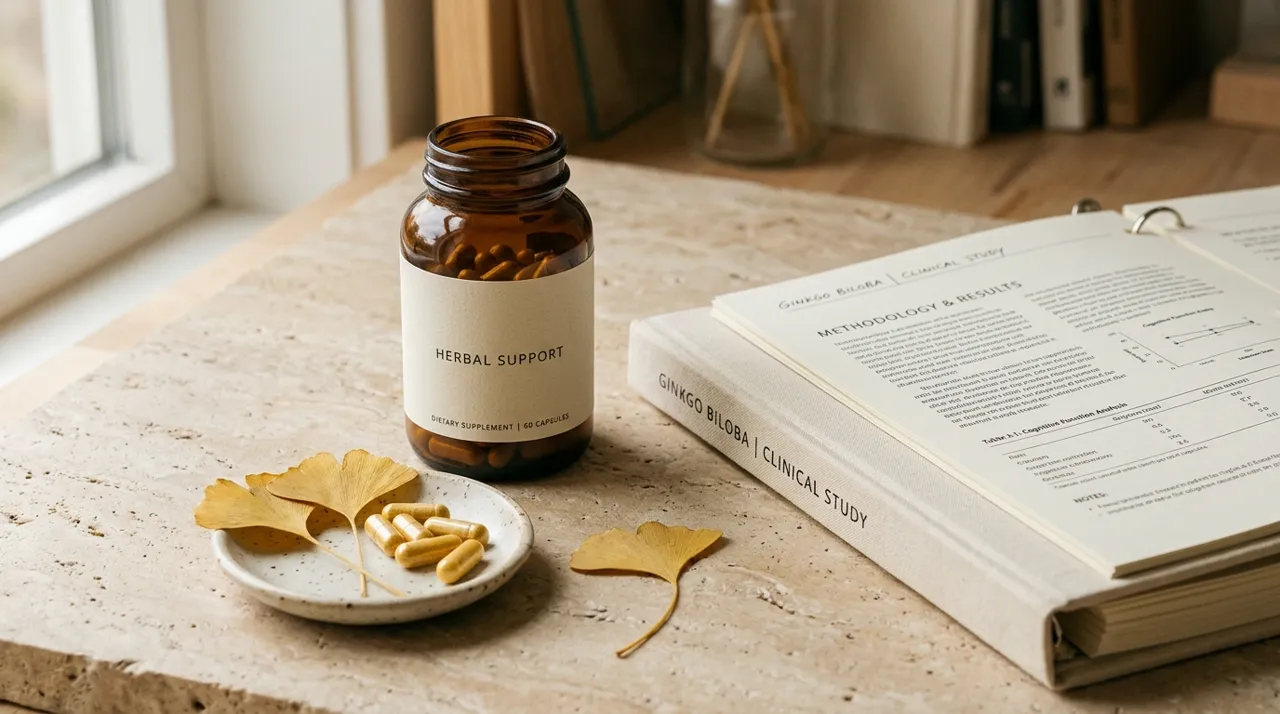
- Verify Independent Evidence Over Viral Ads: Direct-to-consumer memory supplements marketed under rotating brand names like Memopryl frequently rely on aggressive advertorial funnels rather than peer-reviewed, product-specific human randomized controlled trials.
- Separate Brand Marketing From Active Compounds: When judging any cognitive formula, look past proprietary blend labels and evaluate individual clinically studied dosages of ingredients such as Bacopa monnieri, Citicoline (CDP-Choline), Phosphatidylserine, Lion’s Mane, and Ginkgo biloba.
- Spot Proprietary Blend & Subscription Traps Early: Hidden millisecond dosages inside lumped blends ("Proprietary Brain Matrix 450 mg"), missing GMP/third-party Certificate of Analysis (CoA) seals, and buried auto-ship billing clauses remain the #1 source of negative consumer complaints online.
- Realistic Cognitive Timelines Take Weeks, Not Hours: Non-stimulant nootropics supporting synaptic plasticity or cerebral circulation typically require 6 to 12 weeks of consistent daily intake alongside quality sleep—never instant overnight miracle recall.
- Screen Medications First: Botanicals affecting acetylcholine, blood clotting (Ginkgo), or thyroid/serotonin pathways can interact with prescription anticoagulants, SSRIs, and cholinesterase inhibitors—making physician review essential before purchasing.
1. What Is Memopryl? Why Memory Supplements Spark Polarized Consumer Reviews
If you recently scrolled past a video presentation or social-media advertisement promising sharp mental recall, effortless focus, and protection against age-related "brain fog," you have likely encountered Memopryl—a name circulating across online wellness storefronts, review roundups, and affiliate search queries.
Yet anyone searching "Memopryl reviews" quickly discovers a frustrating pattern common across modern direct-to-consumer (DTC) nootropics: glowing five-star testimonials sitting beside blank pharmacy records, unclear manufacturer addresses, and bewildered buyers unsure what actually sits inside each capsule. Unlike FDA-approved prescription neurological drugs, dietary supplements marketed for memory and executive focus enter the online marketplace under the Dietary Supplement Health and Education Act (DSHEA), meaning brands do not have to prove clinical efficacy before launching a checkout page.
Before entering your credit card details on any cognitive supplement storefront, smart consumers treat brand-name hype skeptically and audit five hard metrics: exact Supplement Facts disclosures, individualized ingredient dosing, clinical trial backing, side-effect risks, and checkout/refund terms. Just as we dissect functional fungi extracts in our complete mushroom gummies buyer’s guide, this review strips away marketing drama so you can evaluate Memopryl—or any competing memory capsule—objectively.
2. Evaluating Common Memory Supplement Claims vs. Independent Neuroscience
Cognitive supplement landing pages typically anchor their pitch around three seductive promises: eliminating senior moments, accelerating information retrieval during intense workdays, and shielding neurons from oxidative stress. While nutritional neuroscience genuinely supports targeted compounds for specific pathways, promotional copy routinely stretches modest statistical gains into dramatic transformations.
Claim 1: "Notice Sharper Focus and Rapid Recall Within Days"
• Scientific Reality: Unless a capsule contains an acute central nervous system stimulant such as caffeine, rhodiola, or L-theanine (which boosts short-term alertness within 45 minutes), true neuroplastic botanicals—such as Bacopa monnieri or Lion’s Mane (Hericium erinaceus)—require 6 to 12 consecutive weeks of standardized daily use to produce measurable improvements on memory tests. Any un-caffeinated memory pill promising overnight photographic recall relies on placebo expectations.
Claim 2: "Clinically Proven Secret Formula Backed by Neuroscience"
• Scientific Reality: Pay attention to the wording trick known as "borrowed science." Nearly 95% of DTC supplement brands have never funded a randomized, double-blind, placebo-controlled trial on their own finished bottle. Instead, copywriters cite public studies performed decades ago on isolated raw herbs—often at three to five times the dosage packed inside the retail capsule.
Claim 3: "Reverses Cognitive Decline or Prevents Dementia"
• Regulatory Warning: Under U.S. FTC and FDA rules, no over-the-counter dietary supplement is legally permitted to claim it diagnoses, treats, cures, or prevents Alzheimer’s disease, dementia, or mild cognitive impairment. Any website hinting at clinical disease reversal—or impersonating fake university headlines—violates federal advertising standards immediately.
3. Deep-Dive Ingredient Audit: What Actually Works in Memory Supplements?
Because private-label cognitive formulas periodically update regional ingredient panels—and counterfeit third-party listings frequently alter capsule fillers—you should always photograph and verify the physical Supplement Facts box on the bottle you intend to buy. Most over-the-counter memory blends built around names like Memopryl combine ingredients from the evidence-tiered framework below:
| Candidate Ingredient | Proposed Mechanism | Evidence-Based Clinical Dosage | Independent Evidence Verdict |
| :--- | :--- | :--- | :--- |
| Bacopa Monnieri (50% bacosides) | Supports dendritic branching & modulates acetylcholine | 300–450 mg/day (8–12 weeks) | Strong: Consistently improves delayed recall & processing speed in healthy adults. |
| Citicoline (CDP-Choline) | Supplies brain choline & boosts phospholipid membrane repair | 250–500 mg/day | Strong: Well-studied for attention, mental energy, and age-related memory support. |
| Phosphatidylserine (PS) | Structural lipid stabilizing neuronal cell membranes | 100 mg taken 2–3x/day (300 mg) | Moderate-Strong: Supports memory retention in older adults with mild complaints. |
| Ginkgo Biloba (EGb 761 extract) | Modulates microcirculation & antioxidant scavenging | 120–240 mg/day | Mixed/Moderate: Helpful primarily in older adults with circulatory sluggishness; watch drug interactions. |
| Huperzine A (Huperzia serrata) | Reversible acetylcholinesterase inhibitor | 50–200 mcg (often cycled) | Moderate/Caution: Potent cholinergic boost; long-term daily accumulation risks headaches or nausea. |
| L-Theanine + Caffeine | Alpha-wave calm focus paired with adenosine blockade | 100–200 mg Theanine + 50–100 mg Caffeine | Strong (Acute): Immediate focus & task-switching without jitteriness, though temporary. |
| B-Vitamin Complex (B6, B9, B12) | Supports homocysteine metabolism & myelin synthesis | RDA to moderate methylated doses | Conditional: Meaningful cognitive benefit primarily if the user is clinically B-vitamin deficient. |
The "Pixie-Dusting" Trap Inside Proprietary Blends
Notice the clinical dosage column carefully. If a bottle hides behind a single lumped line—for example, "NeuroMemory Proprietary Blend: 400 mg" containing seven listed herbs—mathematical division proves at least five of those ingredients are "pixie-dusted" at 10–30 mg each, far below thresholds needed for biological effect. Transparent, high-value cognitive brands list every active milligram separately and publish standardized extract percentages (e.g., 24% flavone glycosides or 50% bacosides).
4. Realistic Results Timeline: What Users Actually Experience Over 90 Days
Reading balanced consumer reports across wellness forums reveals a clear split between shoppers who achieve subtle, worthwhile cognitive support and buyers left disappointed. Tracking expectations chronologically highlights why:
• Days 1–14 (Baseline & Acute Sensory Check): Users taking stimulant-free memory supplements rarely feel a sudden "Limitless-movie" rush. Early noticeable shifts mostly occur only if the formula supplies methylated B12 or gentle cholinergic precursors, manifesting as slightly steadier afternoon alertness—or, if poorly tolerated, mild stomach rumbling when taken on an empty stomach.
• Weeks 3–6 (Subtle Working-Memory Support): When clinically dosed Bacopa or Citicoline reaches steady systemic turnover, disciplined users often notice smoother word-finding fluidity during meetings, reduced mental fatigue after spreadsheet-heavy afternoons, and easier recall of short task lists.
• Weeks 8–12 (Accumulated Plasticity Benchmark): This 60-to-90-day mark is where validated standardized studies detect real differences versus placebo. However, pills never operate in a vacuum: users pairing capsules with 7.5 hours of uninterrupted sleep, hydration, and daily movement—such as low-impact aerobic exercise explored in our Bellicon Rebounder wellness review—report dramatically stronger focus than sedentary buyers hoping supplements compensate for chronic burnout.
5. Potential Side Effects, Safety Warnings & Drug Interactions
Marketing banners emphasizing "100% Natural Herbal Formula" mislead many shoppers into assuming zero biological side effects. Biologically active compounds powerful enough to nudge neurotransmitters inevitably carry contraindications:
Commonly Reported Mild Side Effects
• Gastrointestinal Upset & Nausea: Standardized Bacopa monnieri taken on an empty stomach is notorious for causing stomach cramps, bloating, or loose stools. Taking capsules mid-meal with dietary fat improves both comfort and fat-soluble absorption.
• Cholinergic Tension Headaches & Vivid Dreams: Stacking multiple acetylcholine boosters (Citicoline + Huperzine A + Alpha-GPC) can trigger jaw tightness, forehead tension headaches, mild insomnia if taken after 2:00 PM, or unusually intense REM dreams.
• Digestive Allergen Reactions: Soy-derived Phosphatidylserine triggers sensitivity for soy-allergic consumers unless sunflower-lecithin alternatives are explicitly verified on the bottle.
Serious Drug Interaction Checkpoints
• Blood Thinners (Warfarin, Aspirin, Clopidogrel): Ginkgo biloba and high-dose vitamin E carry antiplatelet activity that can compound bruising or bleeding risks.
• Alzheimer’s & Dementia Medications (Donepezil, Rivastigmine): Combining prescription cholinesterase inhibitors with over-the-counter Huperzine A risks dangerous cholinergic overload (bradycardia, sweating, severe nausea).
• SSRIs, MAOIs & Thyroid Hormones: Certain herbal adaptogens alter hepatic CYP450 enzymes or serotonergic clearance. Always bring the exact bottle ingredient panel to a licensed pharmacist or neurologist before beginning daily supplementation.
6. Scam Check & E-Commerce Red Flags: Protecting Yourself Before Buying
The online supplement industry faces persistent bad actors running pop-up white-label domains, cloned "medical news" advertorials, and hidden continuity billing schemes. Before ordering Memopryl—or any trending cognitive capsule—run the storefront through these six security checkpoints (and reinforce browser defenses covered in our Guardio web-safety audit):
1. Fabricated Doctor or Shark-Tank Endorsements: If a sales video claims celebrity doctors, major TV investors, or Harvard neurosurgeons endorsed the exact bottle—leave immediately. Celebrity endorsement hijacking is a textbook phishing tactic.
2. No Readable Supplement Facts Image Before Checkout: Reputable brands showcase high-resolution, zoomable photos of the exact back label showing every milligram, inactive filler, and manufacturing address prior to asking for payment.
3. Forced "Free Trial" + Shipping Subscriptions: Offers promising "Pay only $4.95 shipping for a free bottle!" routinely enroll customers into buried $89/month recurring charges after a 14-day clock expires—even before postal transit finishes.
4. Missing Third-Party Lab Verification: Trustworthy supplement brands manufacture inside cGMP-certified (21 CFR Part 111) U.S. or EU facilities and offer batch Certificates of Analysis (CoAs) verifying heavy metals (lead, arsenic, mercury) and true active potency.
5. Countdown Clocks & Artificial Stock Scarcity: Fake urgency timers ("Only 3 bottles left in your zip code!") reset every time you refresh your browser—a classic high-pressure conversion script.
6. Vague Refund Terms: Demand a crystal-clear customer support phone number, physical return warehouse address, and written 60-to-90-day money-back guarantee without steep "restocking fees" on opened bottles.
7. Cost & Value Breakdown: Branded Blends vs. Transparent Single Ingredients
When consumers pay $59 to $79 per bottle for a bundled memory brand, they frequently assume an expensive price guarantees superior potency. Comparing branded blends against transparent, USP/NSF-verified single ingredients reveals a stark cost-to-potency reality:
| Purchase Strategy | Monthly Cost Range | Dosage Control & Transparency | Risk Profile & Refund Simplicity |
| :--- | :---: | :--- | :--- |
| Unverified DTC Memory Blend | $49–$79/mo | Often obscures exact ratios inside proprietary blends | High risk of under-dosing or subscription friction unless CoA published |
| Transparent Multi-Nootropic Brand (Open Label) | $40–$65/mo | Lists exact mg of branded extracts (e.g., Cognizin, Bacognize) | Moderate-high value for single-capsule convenience; third-party tested |
| Targeted Single-Ingredient Stack (Bacopa + Citicoline) | $22–$35/mo | 100% clinician-grade dose control; easy to isolate side effects | Highest cost-efficiency & safety transparency via verified pharmacies |
Why Isolating One Ingredient at a Time Often Wins
If you purchase a 12-ingredient capsule and wake up with acid reflux or restlessness, you have zero idea which botanical caused the reaction. Building a minimal two-ingredient baseline (such as standardized Bacopa plus Citicoline) allows clean testing—identical to how savvy online shoppers audit ingredient lists in our Citrusburn weight-loss supplement investigation.
8. Non-Supplement Foundations That Multiply Brain Performance
No capsule—no matter how cleanly formulated—can outperform poor metabolic and cardiovascular hygiene. Neuroscience trials repeatedly confirm four foundational habits generate far larger cognitive gains than any over-the-counter bottle:
• Deep Slow-Wave Sleep (Glymphatic Clearance): During slow-wave sleep, cerebral glymphatic channels flush metabolic beta-amyloid byproducts accumulated during waking hours. Fixing irregular sleep schedules typically restores sharper morning recall within two weeks.
• Zone-2 Aerobic Movement: Just 25 minutes of brisk walking, cycling, or low-impact rebounding increases Brain-Derived Neurotrophic Factor (BDNF)—literally the fertilizer supporting hippocampal memory consolidation.
• Dietary Omega-3 & Fermented Food Micronutrients: Consuming wild-caught fatty fish (EPA/DHA) and gut-microbiome supporting traditional ferments (including crisp pickled root vegetables covered in our Oshiko Japanese culinary guide) stabilizes systemic neuroinflammation.
• Targeted Cognitive Recall Drills: Active spaced-repetition learning builds neural density that nutritional support helps protect.
9. Final Verdict: Should You Buy Memopryl?
Smart consumers approach Memopryl—and any aggressively advertised online memory supplement—with disciplined verification rather than blind optimism. While evidence-backed nootropics like standardized Bacopa monnieri, Citicoline, and Phosphatidylserine offer legitimate, gradual support for healthy adult memory and focus, the brand name on the front label never guarantees the potency or safety inside the jar.
Before ordering, insist on three non-negotiables: (1) an unedited photograph of the complete Supplement Facts panel proving clinically meaningful, non-proprietary dosages; (2) verifiable third-party CoA testing from a cGMP-registered facility; and (3) a one-time purchase option backed by transparent marketplace or credit-card buyer protection (for selecting safe storefronts, compare our guide on picking reliable e-commerce marketplaces). If any storefront hides its label behind flashy countdown timers or demands subscription enrollment for a "free trial," walk away and spend your budget on independently verified, single-ingredient cognitive nutrition after consulting your doctor.
10. Five-Step Pre-Checkout Documentation Checklist for Smart Shoppers
If you still decide to trial a branded memory complex like Memopryl, run through this 60-second documentation workflow before clicking confirm:
Step 1: Screenshot the Exact Checkout Screen & Terms
Capture full-page screenshots showing total price, one-time vs. auto-ship radio buttons, and the posted refund window. Digital documentation resolves 90% of accidental subscription disputes quickly with card issuers.
Step 2: Match Customer Support Details Against Verified Records
Confirm a real toll-free support number and U.S./EU warehouse return address—not a bare Gmail forwarding form.
Step 3: Record Your Baseline Before Capsule One
Write down your current average sleep hours, morning caffeine intake, and afternoon focus dip score on Day 1. Measuring an objective baseline keeps placebo optimism from clouding your Week-4 and Week-8 evaluation so you only keep paying if genuine clarity emerges.
Frequently Asked Questions
Does Memopryl actually work for memory and brain fog?
Any non-prescription memory supplement’s effectiveness depends entirely on the active compounds and exact milligram dosages listed on its back Supplement Facts label. Isolated ingredients like Bacopa monnieri (300 mg/day) and Citicoline (250–500 mg/day) have clinical backing over 8–12 weeks, whereas proprietary blends with hidden or tiny dosages offer unreliable results.
Is Memopryl FDA approved?
No. Like all over-the-counter dietary supplements in the United States, Memopryl is not approved by the FDA for safety or efficacy before sale, and cannot legally claim to cure, treat, or prevent Alzheimer’s disease or dementia.
What side effects can memory supplements cause?
Common mild effects include nausea, stomach cramping (especially from Bacopa taken without food), tension headaches, jitteriness if hidden stimulants are present, or vivid dreams/insomnia when taken late in the day. Botanicals like Ginkgo biloba and Huperzine A can also interact dangerously with blood thinners and prescription memory drugs.
How long does a natural nootropic take to show results?
While mild stimulant stacks (caffeine + L-theanine) act within an hour, non-stimulant memory enhancers supporting synaptic growth and cellular membrane repair typically require 6 to 12 weeks of consistent daily dosing.
How can I spot a memory supplement scam online?
Watch for fake celebrity or doctor endorsements, hidden back-label Supplement Facts panels, "free trial" shipping traps that enroll you in high monthly rebills, countdown timers, and missing third-party lab or cGMP testing disclosures.
Should I talk to my doctor before taking brain supplements?
Yes. Bring the full printed Supplement Facts label to your physician or pharmacist—especially if you take anticoagulants, blood pressure medication, antidepressants (SSRIs), thyroid hormones, or diagnosed cognitive therapies.
Sarah Jenkins is a seasoned corporate speechwriter and organizational communications strategist with 15 years of experience counseling enterprise executives, board directors, and senior leaders on high-stakes rhetoric.
Further Recommended Readings from Our Desks
Pros of a Business Partnership: 8 Big Advantages, Types & Agreement Tips
An executive masterclass on business partnerships: 8 foundational strategic advantages, legal entity structures (GP, LP, LLP, LLC), partnership agreement anatomy, and dispute-proofing protocols.
Early Education Franchise Guide: Startup Costs, Top Childcare Brands & ROI
The definitive institutional guide to early childhood education and preschool franchises: Item 7 real estate startup costs, top brand financial metrics, state regulatory ratios, and franchisee ROI.
Youth Entrepreneurship Support Programme: Grants, Mentorship & Funding for Young Founders
The ultimate guide to youth entrepreneurship support programmes: non-dilutive grant capital, top global accelerators, elite mentorship frameworks, and application strategies for founders under 30.