
What Is Oshiko (Oshinko)? Guide to Japanese Pickled Vegetables, History & Sushi Pairings
Discover what Oshiko (properly spelled Oshinko, お新香) is, how traditional takuan daikon and nukazuke fermentation create crisp umami crunch, classic sushi roll pairings, nutrition facts, and how to source authentic jars online.

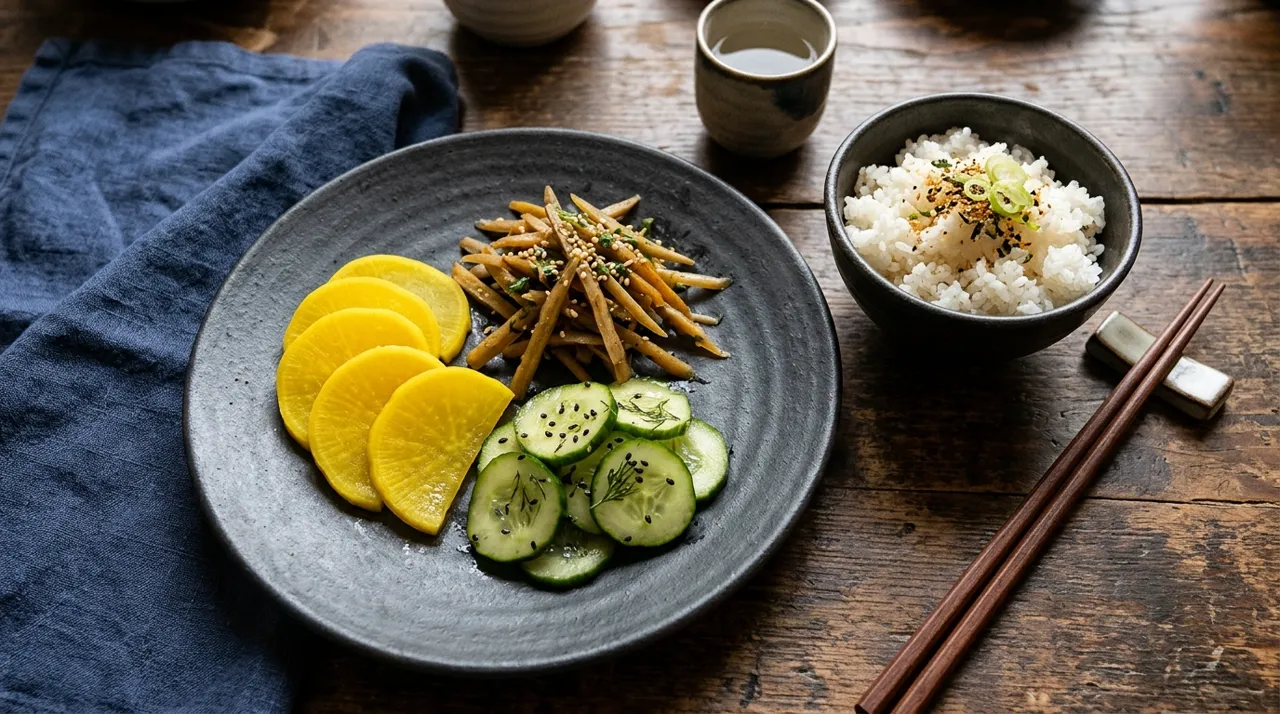
- "Oshiko" is a frequent English phonetic spelling variation of the authentic Japanese culinary word Oshinko (お新香 / 御新香, pronounced "oh-SHEEN-koh"), literally meaning "fragrant new pickles" or lightly cured tsukemono (pickled vegetables).
- Restaurant Context (`Oshinko Maki`): On Western sushi menus, oshinko most famously denotes takuan—bright golden-yellow, sweet-tangy pickled daikon radish slices tucked into crisp vegetarian oshinko maki rolls or served beside rich bento dishes.
- Artisan vs. Commercial Fermentation: Traditional nukazuke pickles ferment crisp vegetables inside toasted rice-bran (nuka), sea salt, and kombu kelp beds packed with live Lactobacillus probiotics, whereas supermarket vacuum packs often use vinegar brines and artificial yellow dyes (FD&C Yellow #5 instead of natural gardenia fruit / kuchinashi pigment).
- Culinary Function: Far more than garnish, oshinko resets the palate between fatty tuna belly (otoro) or fried tonkatsu bites, balances heavy umami richness, and adds signature crisp texture (shaki-shaki crunch).
- Smart Online Pantry Buying: When purchasing jarred or vacuum-sealed oshinko via specialty Asian e-commerce grocers, scan labels for natural turmeric or gardenia coloring, low added high-fructose corn syrup, and unpasteurized refrigerated fermentation labels for probiotic benefits.
1. What Is Oshiko (Oshinko)? Meaning, Japanese Script & Pronunciation
If you spotted "oshiko" on a sushi takeout menu, bento box description, or specialty grocery listing and wondered what those bright golden radish slices or crisp seasoned cucumbers actually are—you are looking at an everyday English phonetic rendering of Oshinko (お新香 / 御新香).
Why does "oshiko" appear so often instead of oshinko? English diners hearing waitstaff say "oh-sheen-koh" rapidly often drop the soft nasal "n" before "k", typing oshiko into restaurant search bars. In Japanese culinary tradition, Oshinko literally breaks down into three expressive parts:
• *O- (お): An honorific prefix lending politeness to staple household foods (just like o-cha for green tea or o-hashi* for chopsticks).
• *Shin- (新):* "New" or "fresh."
• *-Ko (香):* "Fragrance" or "aroma" (historically linked to pungent temple incense and fermented aromatic miso/rice-bran crocks).
Together, Oshinko translates poetically as "freshly fragrant lightly pickled vegetables." Under Japan’s broader pickle umbrella (tsukemono — "pickled things"), oshinko specifically refers to quick-fermented or lightly brined seasonal vegetables designed to stay brightly crisp rather than aging for years into dark sour preserves.
3. Five Essential Styles of Oshinko: Beyond Just Yellow Radish
While North American sushi spots frequently use oshinko as shorthand solely for yellow takuan daikon, an authentic Japanese oshinko platter showcases distinct root, leaf, and gourd textures:
| Oshinko Variety | Key Vegetable | Curing Medium & Flavor Profile | Signature Culinary Role |
| :--- | :--- | :--- | :--- |
| Takuan (沢庵) | Sun-dried giant daikon radish | Rice bran (nuka), salt, kombu, mirin/sugar; sunny yellow, sweet-tart & loud snap | Classic oshinko maki sushi center, bento side, and kimbap filling |
| Kyūri Asazuke | Crisp Japanese cucumber | Quick sea-salt rub, shaved ginger, kombu & rice vinegar; bright & refreshing | Summer izakaya beer snack & palate cleanser beside grilled fish |
| Yamagobō (山ごぼう) | Slender mountain burdock root | Miso or soy-tamari cure; vibrant orange/rust hue, earthy & firm bite | Paired with smoked salmon, avocado rolls, or steamed rice bowls |
| Hakusai Tsukemono | Napa cabbage leaves | Salt-pressed with red chili threads (togarashi) and yuzu peel; clean savory juice | Winter hot-pot accompaniment cutting rich pork or beef broth |
| Bettarazuke | Fresh winter daikon | Koji malted rice (amazake fermentation); snow-white, delicately sweet & aromatic | Iconic Tokyo seasonal specialty pairing beautifully with green tea |
Why Authentic Yellow Takuan Uses Gardenia Fruit, Not Synthetic Food Dye
Sun-drying daikon naturally turns the peel pale golden ivory. Traditionally, artisanal pickle makers achieved takuan’s famous marigold glow by tossing dried kuchinashi (gardenia jasminoides fruit pods) or raw turmeric into the rice-bran cask. Unfortunately, mass-market fast-food sushi suppliers frequently replace natural gardenia with synthetic FD&C Yellow #5 (Tartrazine) and sodium benzoate—echoing the bleached-versus-natural culinary processing tradeoffs we examine in our bleached vs. unbleached flour comparison.
4. Inside the Crock: *Nukazuke* Rice-Bran Fermentation vs. Quick Vinegar Pickles
Not all crunchy Japanese pickles carry the same gut-health nutrition. Understanding the two dominant production methods changes how you shop both restaurants and e-commerce grocers:
1. Traditional Nukazuke (Live Probiotic Lacto-Fermentation)
During polishing of brown rice into white sushi rice, millers collect nutrient-rich outer *rice bran (nuka). Cooks mix roasted rice bran with water, sea salt, dried kombu kelp, shiitake stems, and red chili inside a crock (nukadoko), seeding live wild lactic acid bacteria (Lactobacillus plantarum)* and yeasts. Tucking fresh daikon, eggplant, or cucumber into that living bran bed for 12–48 hours produces lactic acidity, nutty umami amino acids, B-vitamins, and genuine live probiotics!
2. Commercial Asazuke & Vinegar Brine Pickles (Shelf-Stable)
Many retail vacuum-sealed logs sold at ambient supermarket temperatures skip live fermentation altogether—soaking sliced daikon in vinegar, refined sugar, salt, and MSG before heat pasteurization. While deliciously crisp for sushi rolls, shelf-stable pasteurized jars contain zero live probiotic cultures.
5. How to Use Oshinko: Classic Sushi Pairings, Bento Geometry & Fusion Ideas
Chef-driven Japanese dining prizes contrast—pairing soft richness against crisp acidity. Use oshinko thoughtfully across both authentic sushi counters and modern home kitchens:
• *Oshinko Maki (新香巻き): The purest celebration of takuan—julienned golden radish rolled cleanly inside seasoned sushi rice (shari) and crisp roasted nori* seaweed. Simple, vegan, zero fishy richness, and beloved by children and omakase purists alike.
• *Avocado-Oshinko & Futomaki Contrasts:* Pairing buttery sliced Hass avocado (check our botanical guide to avocados) with crunchy salty-sweet takuan creates instant texture harmony inside plant-based maki rolls.
• *Toro-Taku (トロタク — Fatty Tuna + Takuan): One of Tokyo’s most celebrated temaki hand-roll combinations! Rich, melt-in-your-mouth minced bluefin tuna belly (negitoro*) meets finely diced crunchy takuan—cutting marine lipid richness instantly without needing spicy mayo.
• Katsu Curry & Bento Box Reset: Tucking two thick half-moons of crimson fukujinzuke or yellow takuan beside crispy breaded pork cutlet (tonkatsu) refreshes taste buds mid-meal—working very similarly to how bright contrasting accompaniments cut creamy gorgonzola dishes explored in our Masgonzola pairing guide.
6. Nutritional Profile: Low-Calorie Crunch, Fiber & Sodium Considerations
For health-conscious diners, oshinko delivers remarkable flavor impact for almost negligible caloric cost—though salt awareness matters:
| Nutrient (Per ~40g / 4–5 Slices Takuan) | Typical Unsweetened / Traditional | Commercial Sweet-Brined Pack | Nutritional Takeaway |
| :--- | :---: | :---: | :--- |
| Calories | ~12–18 kcal | ~25–35 kcal | Virtually calorie-free meal crunch |
| Dietary Fiber | ~1.0–1.4 g | ~0.9 g | Gentle prebiotic vegetable bulk |
| Sodium | 380–550 mg | 420–650 mg | High sodium density—treat strictly as a condiment, not a large salad |
| Live Probiotics | Present if unpasteurized nukazuke | None (heat-pasteurized) | Check refrigerated section for live active lacto-cultures |
Because traditional salting draws moisture rapidly from crisp roots, a small 4-slice portion packs 15% to 25% of daily recommended sodium. Enjoy oshinko authentically in modest side bites alongside potassium-rich steamed vegetables or miso-balanced rice rather than eating whole pickled logs in one sitting.
7. E-Commerce Pantry Guide: How to Source Authentic Oshinko Online
Finding authentic Japanese pickles beyond basic yellow fluorescent logs has never been easier thanks to specialized Asian e-commerce grocers (Weee!, Umamicart, Bokksu Market, and local Japanese co-ops). Inspect four e-commerce packaging signals before clicking add-to-cart:
1. Verify Natural Coloring Agents: Scan the English ingredient sticker for turmeric (ウコン) or gardenia extract (クチナシ色素) rather than Yellow #5 / Tartrazine. Even better, seek out un-dyed cream-ivory traditional takuan or bettarazuke!
2. Prefer Whole Half-Logs Over Pre-Chopped Strips: Whole vacuum-packed takuan sticks stay snapping-crisp for months in the refrigerator and let you julienne thick crunchy batons for sushi or thin crescent coins for rice bowls (just keep tight airtight wrapping inside the fridge, echoing smart food-pouch habits in our Smoothiepussit storage guide, because authentic fermented daikon emits a distinctive sulfurous aroma!).
3. Check Sugar & Sweetener Forms: Artisanal brands sweeten lightly with mirin, fermented rice koji, or cane sugar, whereas budget export packs rely on corn syrup and saccharin/aspartame.
4. *Inspect Transit Insulation for Raw Nukazuke:* If ordering unpasteurized refrigerated pickles online, buy strictly from cold-chain fulfillment hubs offering insulated ice packs—never uncooled standard ground boxes during summer.
8. Japanese *Takuan* vs. Korean *Danmuji* — Plus 15-Minute Homemade Asazuke
E-commerce shoppers frequently notice packages labeled Danmuji (단무지) sitting right beside Japanese Takuan in supermarket aisles. Historically related through early 20th-century culinary exchange, they serve slightly different taste preferences:
• *Korean Danmuji: Pickled predominantly in sweet-tart vinegar water with turmeric/gardenia yellow coloring—softer tang, noticeably sweeter acidity, and tailored for wrapping inside sesame-oiled kimbap rolls or eating beside spicy noodles (jjajangmyeon*).
• *Japanese Artisanal Takuan: More savory, earthy rice-bran complexity (umami*), firmer fibrous crunch, and significantly less sugary vinegar sharpness.
15-Minute Homemade Quick Oshinko (Kyūri Asazuke)
Want fresh crisp pickles tonight without waiting days? Slice 2 Persian cucumbers thinly into rounds, toss with ¾ tsp sea salt, a 2-inch square of dried kombu kelp sliced into ribbons, and 3 thin coins of fresh ginger inside a zip bag. Gently massage for 60 seconds, expel excess air, chill in the fridge for 20 minutes under a heavy soup bowl, rinse quickly if salty, and serve crisp alongside warm jasmine rice!
9. Living Kitchen Craft: How Traditional *Nukadoko* Pickling Beds Work at Home
While quick salt-pressed asazuke satisfies weeknight cravings, culinary enthusiasts across Japan—and growing numbers of home fermenters ordering starter rice bran kits online—cultivate living nukadoko crocks passed down for years (and famously even across family generations!).
How to Build and Care for Your Nukadoko
• Starting the Bed: Combine toasted rice bran (irinuka), non-chlorinated filtered water, 10–13% mineral sea salt by weight, toasted kombu kelp sheets, dried chili pepper pods (to deter unwanted mold), and optional dried shiitake stems inside a stoneware crock or food-grade enamel tub.
• Daily Oxygenation ("Tending the Bran"): Wild Lactobacillus thrives anaerobically deep inside the bed while competing unwanted surface yeasts prefer untouched stagnant air. Simply stirring the moist bran cleanly from bottom to top once per day balances microbial ecosystems effortlessly—keeping aromas clean, fruity, and savory like sourdough bread.
• Refreshing Moisture & Salt: Fresh vegetables release water into the bran bed with every pickling cycle. When the nukadoko feels overly wet, stir in a spoonful of fresh toasted rice bran and a pinch of salt; swap out tired kitchen bags cleanly with breathable pantry organization habits similar to those in our e-commerce marketplace sourcing guide.
10. Traditional Japanese Dining Etiquette: When to Eat Your Oshinko
Because Western restaurants often drop two thin slices of yellow takuan onto every lunch box next to ginger, many diners assume oshinko is decorative garnish like a plastic parsley sprig. In authentic Japanese ichijū-sansai ("one soup, three dishes") meal architecture, oshinko plays a distinct rhythmic etiquette role:
• Eat Alternately Between Rice & Main Protein: Lift a small piece of crisp cucumber or daikon pickle midway through eating grilled mackerel, pork katsu, or rich curry to wipe heavy oils from your palate cleanly before returning for another bite of plain steamed short-grain rice.
• *Never Pour Soy Sauce Over Traditional Nukazuke Blindly: Because authentic rice-bran pickles already carry careful salt balance and natural lactic tang, taste them plain first! Some regions add just two drops of light usukuchi soy sauce onto sliced hakusai cabbage, whereas takuan* is almost always eaten unseasoned.
• *Finishing With Tea (Ochazuke Tradition): In traditional Kyoto inns (ryokan), diners sometimes drop remaining crisp shreds of pickled greens and roasted sesame atop leftover steamed rice, pour piping hot roasted green tea (hōjicha) over the bowl, and enjoy a soothing, savory final course known as ochazuke*.
11. How to Order Oshinko Like a Pro at Any Sushi Counter
Ready to put your oshiko / oshinko knowledge into delicious practice on your next sushi night? Keep these three insider ordering cues handy:
• *Look Beyond Plain Cucumber (Kappa Maki): Ask the sushi chef whether they serve house-cured takuan (oshinko maki), earthy yamagobō (pickled burdock roll), or crunchy toro-taku (minced fatty tuna belly paired with finely diced pickled daikon*)—a master-level contrast beloved by Tokyo regulars.
• *Request an Assorted Oshinko Moriawase Appetizer: Traditional Japanese taverns happily plate small seasonal assortments of salted eggplant (nasu*), crisp daikon, ginger sprouts, and turnip pickles as a crisp plant-based starter alongside cold sake or sparkling yuzu soda.
• Watch Cross-Contamination if Vegetarian/Vegan: While oshinko maki is naturally meat-free, confirm chefs slice your vegetarian rolls on a clean board—just as mindful shoppers check kitchen prep and ingredient transparency when reviewing gourmet foods or wellness goods like Memopryl cognitive formulas.
Frequently Asked Questions
Is it spelled "oshiko" or "oshinko"?
The proper Romanized Japanese spelling is "oshinko" (お新香). "Oshiko" is a widespread phonetic spelling variation used by English diners and takeout menus dropping the subtle nasal "n" sound.
What vegetable is oshinko usually made from in sushi restaurants?
In Western sushi restaurants, oshinko almost always refers to "takuan"—bright golden-yellow pickled daikon radish cut into thin crescent slices or crisp julienne strips inside oshinko maki rolls.
Is oshinko vegan and gluten-free?
Traditional takuan and cucumber oshinko are naturally plant-based and gluten-free, fermented purely with salt, rice bran, and kelp. However, soy-sauce pickled varieties (shoyu-zuke) contain wheat unless labeled tamari gluten-free, and certain commercial packs add fish bonito extract (dashi)—always verify the label if strictly vegan.
Why does real pickled daikon smell strong when you open the package?
Daikon belongs to the brassica (mustard/cabbage) family, whose natural sulfur compounds intensify during lacto-fermentation in rice bran. That pungent aroma is normal in authentic artisanal takuan; store opened portions double-wrapped inside an airtight glass jar in the refrigerator.
What is the difference between tsukemono and oshinko?
"Tsukemono" is the giant umbrella word for all Japanese pickled foods (short-aged, long-aged, miso, sake-lees, and vinegar pickles). "Oshinko" specifically refers to fresher, crisp, lightly fermented daily table pickles served as a refreshing side.
Does store-bought oshinko have probiotics?
Only unpasteurized pickles fermented in live rice bran (nukazuke) and kept strictly refrigerated carry live Lactobacillus probiotics. Shelf-stable vacuum packs found in dry aisles are heat-pasteurized and vinegar-brined with zero live cultures.
Claire Montgomery is a senior human resources executive and workplace communications analyst with 16 years of enterprise leadership experience guiding corporate culture, internal diplomacy, and team sentiment.
Further Recommended Readings from Our Desks
Pros of a Business Partnership: 8 Big Advantages, Types & Agreement Tips
An executive masterclass on business partnerships: 8 foundational strategic advantages, legal entity structures (GP, LP, LLP, LLC), partnership agreement anatomy, and dispute-proofing protocols.
Early Education Franchise Guide: Startup Costs, Top Childcare Brands & ROI
The definitive institutional guide to early childhood education and preschool franchises: Item 7 real estate startup costs, top brand financial metrics, state regulatory ratios, and franchisee ROI.
Youth Entrepreneurship Support Programme: Grants, Mentorship & Funding for Young Founders
The ultimate guide to youth entrepreneurship support programmes: non-dilutive grant capital, top global accelerators, elite mentorship frameworks, and application strategies for founders under 30.