
Apall: Correct Spelling, Meaning & Pronunciation
Learn why "apall" is a common misspelling, master American "appall" vs. British "appal," practice phonetic pronunciation (and letter-by-letter A-P-P-A-L), and use appall, appalled, and appalling cleanly in business prose.

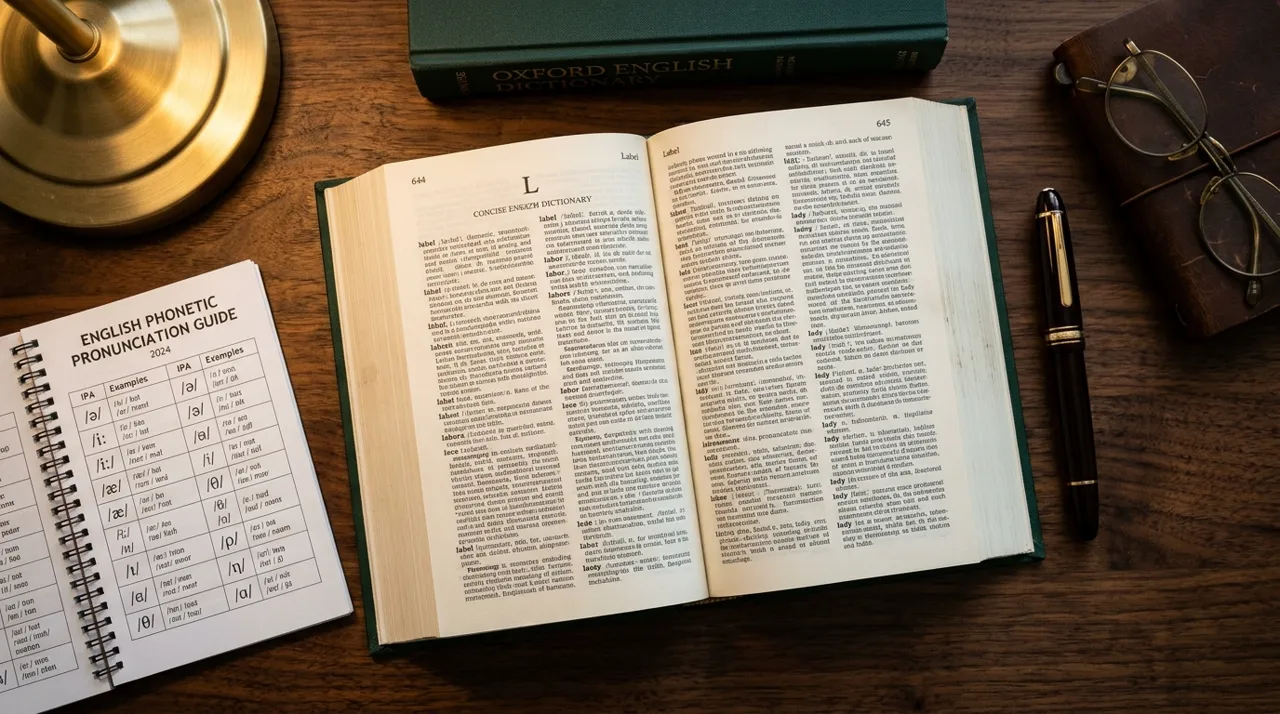
- "Apall" (with a single "p") is always a misspelling in both American and British English—never write apall, apalled, or apalling.
- In American English, the standard spelling is appall (A-P-P-A-L-L, double "p" and double "l"). In British and Commonwealth English, appal (A-P-P-A-L, double "p" and single "l") is the traditional base spelling.
- Regardless of dialect, all inflected forms double both the "P" and the "L": appalled, appalling, and appallingly (with third-person singular appalls in the US and appals in the UK).
- Pronunciation: Appall / appal is pronounced `/əˈpɔːl/` ("uh-PAWL"), with light unstressed schwa on the first syllable and main stress on the second syllable, rhyming cleanly with ball, call, and fall.
- When spelling the British form A-P-P-A-L aloud on a call or spelling audit, pronounce each letter distinctly ("Ay, double-P, Ay, El") while clarifying US A-P-P-A-L-L versus UK A-P-P-A-L.
1. Is "Apall" a Real Word? The Direct Spelling Verdict
If you just typed "apall" into an email draft, performance review, or press release and paused to check it—trust your instinct. "Apall" (spelled with only one "P") is never correct in any variety of English. Whether you follow Merriam-Webster in New York, the Oxford English Dictionary in London, or international AP style guidelines, a valid spelling must always begin with A-P-P- (double "P").
So where does the widespread confusion come from? Unlike pure random typos, "apall" traps careful writers because the word sits directly on a double-letter triangle: American English uses appall (2 P’s, 2 L’s), British English historically uses appal (2 P’s, 1 L), and hasty writers accidentally drop one "P" instead of one "L", inventing the phantom hybrid *apall*.
Notice how closely this resembles the ring-finger typing error behind misspelling possess as "posess". Whenever an unstressed Latinate prefix (ad- assimilated into ap-) precedes a root syllable, our ears hear only a single /p/ sound (uh-PAWL), concealing the silent twin consonant in writing.
2. "Appall" (US) vs. "Appal" (UK): Why Both Correct Forms Keep Double "P"
Understanding the transatlantic split between A-P-P-A-L-L and A-P-P-A-L prevents cross-border style clashes in global corporate communications—much like the regional differences covered in our British vs. American spelling reference.
| Word Form | American English (US / AP / Chicago) | British & Commonwealth English (UK / Oxford) | Common Misspelling (Never Valid) |
| :--- | :--- | :--- | :--- |
| Base Verb | appall (A-P-P-A-L-L) | appal (A-P-P-A-L) — appall also accepted | apall, apal |
| 3rd-Person Present | appalls | appals (or appalls) | apalls, apals |
| Past Tense / Participle | appalled | appalled | apalled, apaled, appaled |
| Present Participle / Adj. | appalling | appalling | apalling, apaling, appaling |
| Adverb | appallingly | appallingly | apallingly, appalingly |
Why Do British Forms Double the "L" in Appalled and Appalling?
Notice an intriguing twist: even though British dictionaries traditionally spell the base verb A-P-P-A-L with a single final "L", the instant you add -ed or -ing, British English must double the "L" to preserve the stressed second vowel sound—yielding appalled and appalling identically on both sides of the Atlantic! If it kept one "L" (apaled or appaling), English phonics rules would twist the pronunciation into "uh-PAY-ling" instead of "uh-PAW-ling." Therefore, appalled and appalling are universally spelled with two P’s and two L’s worldwide.
3. Pronunciation Guide: How to Say "Appall" and Pronounce the Letters A-P-P-A-L
Learners researching "how to pronounce A-P-P-A-L" generally need clarity on two distinct tasks: first, *how to speak the word appall / appal naturally in conversation, and second, how to pronounce and read out the letter sequence A-P-P-A-L* clearly on phone calls, audits, or spelling dictations.
Part A: Spoken Pronunciation of the Word (Appall / Appal)
• Phonetic Respelling: uh-PAWL (never "AY-pawl" or "AP-uhl").
• IPA (General American): /əˈpɔːl/ (or /əˈpɑːl/ in regions with the cot–caught vowel merger).
• IPA (British Received Pronunciation): /əˈpɔːl/.
• Syllable Stress Breakdown: Two syllables: unstressed first syllable `uh-` (a relaxed schwa vowel identical to the a- in about or again) followed by the heavily stressed second syllable `PAWL` (rhyming cleanly with call, wall, tall, and small).
• Inflected Pronunciations: Appalls / Appals = /əˈpɔːlz/ (uh-PAWLZ); Appalled = /əˈpɔːld/ (uh-PAWLD); Appalling = /əˈpɔːlɪŋ/ (uh-PAW-ling).
Part B: How to Pronounce the Letters A-P-P-A-L Aloud (Dictation & Phonetic Alphabet)
When spelling the five-letter British variant A-P-P-A-L (or six-letter US A-P-P-A-L-L) over a conference line or customer service call:
• Natural Conversational Letter Reading: Pronounce "A" (/eɪ/, "ay"), "P-P" ("double-P", /ˈdʌbəl piː/), "A" (/eɪ/, "ay"), "L" (/ɛl/, "el"). Say smoothly: "Appal—that’s A, double-P, A, L" (or "A, double-P, A, double-L" for American spelling).
• NATO Phonetic Spelling (High-Clarity Audio Verification): "Alpha – Papa – Papa – Alpha – Lima" (plus "Lima" for US appall). Using NATO call signs prevents callers from mishearing "A" as "E" or "P" as "B".
• Why You Don’t Say "A-P-A-L" Sound-by-Sound as "Apple": Remind non-native speakers that A-P-P-A-L does not sound like the fruit apple (/ˈæpəl/). Stress falls strictly on the second syllable (uh-PAWL), never the first syllable!
4. Etymology & Origin: How "Make Pale" Evolved Into "Shock Deeply"
Knowing why appall carries two "P"s permanently cures the apall mistake. The word entered Middle English in the early 14th century from the Old French verb *apalir (meaning "to grow pale" or "cause someone to turn white with terror"*):
• *Prefix ad- (Latin "to, toward") + root pallere (Latin "to be pale", source of pallor and pallid)*.
• When ad- fused with pall-, the consonant d assimilated into p, creating appall- (ad + pall → appall).
Originally, to appall literally meant to drain the color from a person’s face—whether from physical exhaustion, bitter cold, or sudden dread. Over the Renaissance and early modern era, that physical image (growing pale with horror) narrowed into the emotional and moral sense we use today: to fill someone with intense dismay, moral outrage, or disbelief. Think of it this way: if a shocking audit report makes a CFO turn pallid (P-A-L-L-I-D), it appalls (A-P-P-A-L-L-S) them. Notice how both pallid and appall lock in the double L while ad+p supplies the double P!
5. Exact Meaning & Real-World Corporate Usage Examples
In modern business, journalism, and formal prose, appall is a vivid, high-intensity transitive verb meaning to shock, horrify, or fill with deep dismay—usually triggered by severe negligence, unethical conduct, glaring incompetence, or shocking data.
Grammatical Structures to Master
1. *Active Transitive Verb ([Subject] appalls [someone]):*
• "The third-party vendor’s lack of basic encryption appalls our enterprise security auditors."
• "Such blatant disregard for worker safety regulations will appall institutional shareholders."
2. *Passive Participial Adjective (be appalled at / by):*
• "Board directors were appalled by the undisclosed accounting adjustments revealed during due diligence."
• "Regulatory examiners expressed they were appalled at how slowly customer complaints were escalated."
3. *Descriptive Adjective (appalling) & Adverb (appallingly):*
• "Turnover reached appalling levels after mandatory overtime was imposed without notice."
• "Our legacy onboarding portal performed appallingly during peak holiday traffic."
When NOT to Use "Appall" in Business Emails
Because appall carries dramatic emotional charge (nearly synonymous with horrify or outrage), using it for minor workplace inconveniences sounds melodramatic or unprofessional. Never write "I am appalled that the breakroom ran out of oat milk" or "We are appalled by the 15-minute meeting delay." Save appall / appalled / appalling for genuine ethical breaches, severe client-experience failures, or stark analytical findings—using calmer diplomatic alternatives covered in our guide to handling "we regret the inconvenience caused" for everyday friction.
6. Four Foolproof Memory Tricks to Avoid the "Apall" Typo Forever
Even skilled editors accidentally write apall when typing rapidly. Lock in the correct A-P-P-A-L-L pattern using these four visual hooks:
1. The "Double-P, Double-L Mirror" Rule: In US English, appall balances two P’s on the left with two L’s on the right (A - PP - A - LL), flanking the second "A" symmetrically—just like possess balances two pairs of S’s around "E".
2. The "Pallid + Appall" Root Link: Remember that appall comes from turning pallid (P-A-L-L), and prefix ap- (A-P) sticks onto the front: AP + PALL = APPALL!
3. *Contrast With Appeal and Apart: Note why brains get confused: apart (`1 P`) and appeal (`2 P, 1 L`) look deceptively similar! Tell yourself: "You can keep things apart with one P, you make an appeal with two P’s and one L, and you appall someone with ALL the doubles (two P’s, two L’s)."*
4. Check All Derived Forms Together: Remember that appalled and appalling NEVER drop a letter in either American or British spelling—double P + double L is mandatory 100% of the time.
7. Confusable Words & High-Impact Synonyms for Formal Writing
Writers searching apall occasionally confuse appall with similar-looking English words. Review the exact distinctions below:
| Word | Exact Spelling | Meaning & Usage Distinction |
| :--- | :--- | :--- |
| Appall / Appal | A-P-P-A-L-L (US) / A-P-P-A-L (UK) | Verb: to fill with shock, horror, or moral outrage ("The error appalls me"). |
| Pall | P-A-L-L | Noun/Verb: a dark gloom/cloud ("cast a pall over talks"), or to lose appeal ("novelty soon palls"). |
| Appeal | A-P-P-E-A-L | Verb/Noun: to make an earnest request or attractive impression (single L, -ea- vowel). |
| Apparel | A-P-P-A-R-E-L | Noun: clothing or garments (double P, single R, single L). |
| Apologize | A-P-O-L-O-G-I-Z-E | Verb: to express regret (single P—prefix apo-, completely unrelated to appall!). |
Diplomatic Synonyms for Executive Reports
If appalled feels slightly too blunt for a board memorandum or external client update, calibrate your intensity using these exact-fit alternatives:
• High Intensity: Dismayed, horrified, outraged, shocked, scandalized, staggered.
• Measured Executive Tone: Deeply concerned, alarmed, troubled, disconcerted, gravely disappointed (useful alongside phrasing tips in our guide on "concerningly" and subtle modifiers).
8. Five-Sentence Proofreading Audit & Style Checklist
Test your eye by auditing these five workplace sentences before sending your next newsletter or compliance memo:
1. "Shareholders were apalled by the lack of internal cybersecurity controls disclosed in Q2." → Fix: Replace apalled with appalled (always double P, double L).
2. "Such apalling customer-support response times violate our enterprise SLA." → Fix: Replace apalling with appalling.
3. "In our London subsidiary’s quarterly review, the director noted how recent outages appal enterprise clients." → Valid in UK English (though appall is standard for US headquarters).
4. "The auditor was apaled to discover duplicate vendor payments." → Fix: Change apaled to appalled (never drop the second P or second L in past tense!).
5. "Investors reacted with dismay to the appallingly sloppy prospectus." → Correct! (appallingly preserves both double P and double L cleanly).
Combine this double-letter vigilance with habits from our guide on evolved, receiver, immersed, and gluing and spelling unusual terms cleanly so every paragraph passes editorial scrutiny effortlessly.
9. Editorial Stylebook Rules: AP Style, Chicago, Merriam-Webster & Oxford
Multinational communications teams writing across New York, London, Toronto, and Singapore routinely ask whether global spellcheckers should standardize on appall or appal. Each flagship manual takes a clear stance:
| Style Guide / Dictionary | Preferred Base Verb | Past Tense & Participle | Notes for Corporate Editors |
| :--- | :--- | :--- | :--- |
| AP Stylebook | appall (A-P-P-A-L-L) | appalled / appalling | Mandatory in US journalism, corporate press releases, and investor relations. |
| Chicago Manual of Style | appall (A-P-P-A-L-L) | appalled / appalling | Standard in US book publishing, whitepapers, and executive reports. |
| Merriam-Webster | appall primary (appal less common US variant) | appalled / appalling | Never admits single-"p" apall. |
| Oxford English Dictionary / BBC | appal traditional (with appall increasingly accepted) | appalled / appalling | Double "L" returns immediately in appalled, appalling, and appallingly. |
Practical Guidance for Cross-Border Documents
If your company distributes investor decks or compliance updates to primarily North American readers, configure custom spellchecker policies to lock onto appall (two P’s, two L’s). Conversely, if publishing localized UK regulatory filings under British English conventions, appal (A-P-P-A-L) is accurate—provided every past and progressive form immediately restores the second "L" (appalled, appalling). Under no stylebook anywhere in the English-speaking world is single-"p" apall ever permitted.
10. Spoken Executive Delivery: Avoiding Stress & Vowel Errors on Calls
Even seasoned executives who spell appall correctly on paper occasionally stumble when delivering it live during earnings calls, legal depositions, or media interviews. Master these three pronunciation habits to speak crisply:
1. Never Pronounce the First Syllable as "AY-" or "AP-"
Because the word starts with A-P-P-, non-native speakers sometimes over-articulate the beginning as "AP-pawl" or "AY-pawl." Instead, relax the jaw completely into a quiet, soft `uh-` (/ə/) and push full vocal energy onto `PAWL` ("uh-PAWL").
2. Preserve the Clean Rounded Vowel in Appalled and Appalling
Do not flatten the vowel into "uh-PALD" (like pal / shall). Keep the deep open rounded sound of all, call, and hall: "uh-PAWLD" and "uh-PAW-ling." Notice how appall literally ends in the common English word all—which gives your tongue the exact vowel target automatically!
3. Reading A-P-P-A-L Letter-by-Letter Without Confusion
When dictating the British base spelling A-P-P-A-L over low-bandwidth phone audio or during classroom spelling drills, pause briefly between syllables of letters—"Ay … double-P … Ay … El"—or clarify explicitly: "That’s A-P-P-A-L in British spelling, or A-P-P-A-L-L with double L in American English." Pairing spoken clarity with disciplined copyediting—including catching tricky location prepositions discussed in on the street vs. in the street and homophones like were vs. where—ensures authority in both speech and print.
Frequently Asked Questions
Is it spelled "apall" or "appall"?
"Apall" with one "p" is always incorrect. In American English, the correct spelling is "appall" (A-P-P-A-L-L). In British English, both "appal" (A-P-P-A-L) and "appall" are used, with both always keeping the double "P."
How do you pronounce "appall" (or "appal")?
Pronounce "appall" and "appal" identically as "uh-PAWL" (/əˈpɔːl/), putting light unstressed sound on the first syllable ("uh-") and clear stress on the second syllable ("PAWL"), rhyming with "call," "fall," and "wall."
How do you pronounce the letters A-P-P-A-L aloud?
Read the five letters aloud cleanly as "Ay, double-P, Ay, El" (or in NATO phonetic alphabet: "Alpha, Papa, Papa, Alpha, Lima"), noting that A-P-P-A-L is the standard British base spelling of the word appall.
Is "appalled" spelled with one "L" or two?
"Appalled" and "appalling" are ALWAYS spelled with two "P"s and two "L"s in both American and British English—even though British English drops the second "L" in the base verb "appal."
What does "appall" mean in business writing?
As a verb, "appall" means to shock, horrify, or fill someone with intense dismay or moral outrage—typically reserved in business writing for severe ethical violations, safety lapses, or shocking financial negligence.
Does "appalled" take "at" or "by"?
Both prepositions are grammatically correct: "appalled by" emphasizes the direct cause or actor ("appalled by the vendor’s conduct"), while "appalled at" emphasizes a reaction toward a situation or statistic ("appalled at the error rate").
Sarah Jenkins is a seasoned corporate speechwriter and organizational communications strategist with 15 years of experience counseling enterprise executives, board directors, and senior leaders on high-stakes rhetoric.
Further Recommended Readings from Our Desks
Pros of a Business Partnership: 8 Big Advantages, Types & Agreement Tips
An executive masterclass on business partnerships: 8 foundational strategic advantages, legal entity structures (GP, LP, LLP, LLC), partnership agreement anatomy, and dispute-proofing protocols.
Early Education Franchise Guide: Startup Costs, Top Childcare Brands & ROI
The definitive institutional guide to early childhood education and preschool franchises: Item 7 real estate startup costs, top brand financial metrics, state regulatory ratios, and franchisee ROI.
Youth Entrepreneurship Support Programme: Grants, Mentorship & Funding for Young Founders
The ultimate guide to youth entrepreneurship support programmes: non-dilutive grant capital, top global accelerators, elite mentorship frameworks, and application strategies for founders under 30.