
How to Say Sorry for Your Loss: 50+ Condolence Messages
Learn how to say sorry for your loss with heartfelt condolence messages, including thoughtful ways to say “I’m sorry to hear that” after someone’s loss.

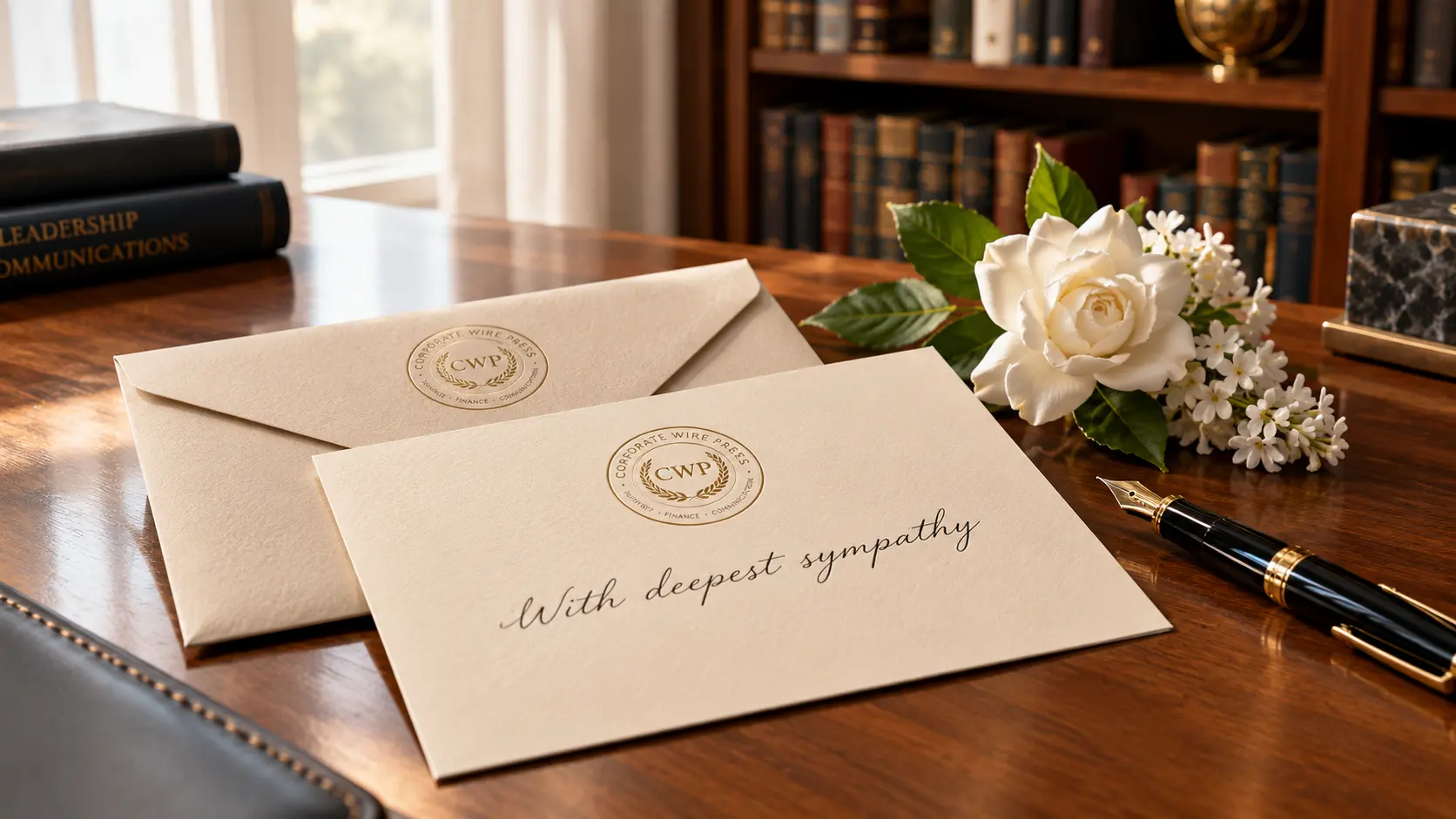
- Saying “sorry for your loss” in professional spheres requires honoring personal grief while upholding psychological safety and dignity without intrusive inquiries.
- “I’m sorry to hear that” functions effectively for initial digital notices or casual acquaintances, but deeper relationships warrant personalized remembrance and warmth.
- Never use clichés or toxic positivity (e.g., “everything happens for a reason” or “at least they lived a long life”), which inadvertently invalidate grief.
- Apply Susan Silk’s “Ring Theory” (Comfort In, Dump Out): offer unconditional comfort to the grieving person and vent any personal discomfort outward.
- Replace open-ended burdens like “let me know if you need anything” with concrete, low-effort support such as covering specific client hand-offs or meal deliveries.
The Delicate Art of Workplace Condolences: Balancing Empathy and Boundaries
Few moments in professional life are as fraught with anxiety as learning that a colleague, direct report, or key enterprise client has experienced a profound bereavement. Modern workplaces pride themselves on velocity, composure, and emotional equilibrium. However, the sudden intrusion of mortality punctures the sterile fabric of corporate decorum. Professionals frequently freeze—paralyzed by the fear of saying the wrong thing, appearing overly intrusive, or conversely, sounding detached, cold, and dismissive.
Learning how to say "sorry for your loss" in a business context is not an exercise in florid rhetoric or elaborate prose. Rather, it is a discipline of quiet dignity, emotional presence, and situational calibration. The objective of professional condolence correspondence is singular: to communicate unconditional human support and affirm the recipient's psychological safety without placing any reciprocal emotional or administrative burden upon them.
When grief strikes, colleagues do not expect you to solve their sorrow or explain the cosmic mechanics of loss. They simply need to know that their grief is recognized, their absence is protected, and their professional standing remains entirely secure while they navigate personal tragedy.
When "I’m Sorry to Hear That" Works vs. When Deeper Sympathy Is Warranted
The phrase "I'm sorry to hear that" is a ubiquitous reflex in English conversational pragmatics. When delivered verbally in a real-time conversation or sent as a quick reaction in a digital chat channel (such as Slack or Microsoft Teams), it provides an immediate, low-friction acknowledgment of bad news. However, treating "I'm sorry to hear that" as a universal substitute for heartfelt condolences introduces severe communicative risks.
Because "I'm sorry to hear that" is routinely used for minor everyday mishaps—such as a canceled flight, a bad cold, or a software crash—deploying it in response to the death of a spouse, parent, or close loved one can sound dangerously glib and perfunctory. In written correspondence, relying solely on this single sentence signals conversational haste.
Understanding when this phrase is acceptable versus when deeper epistolary sympathy is warranted protects both your personal credibility and your colleague's emotional well-being.
| Scenario & Medium | Recommended Phrasing | Formality Tier | Psychological Impact |
|---|---|---|---|
| Real-time video call notice | "I am so deeply sorry to hear that, [Name]. Please take all the time you need." | Immediate Verbal | Provides instant validation and relieves pressure on the spot. |
| Informal team Slack ping | "Sending you my deepest condolences. We are all thinking of you and your family." | Warm Digital | Demonstrates solidarity without cluttering the chat thread. |
| Formal sympathy card / letter | "Please accept my heartfelt condolences on the loss of your beloved [Mother]." | Executive Traditional | Tactile, permanent, archival, and deeply respectful. |
| Client email notification | "Our entire leadership team extends our deepest sympathies to you during this difficult time." | Corporate Institutional | Communicates organizational stability and dignified respect. |
| Sudden loss of direct team member | "Words cannot express our sorrow. We are holding you close in our thoughts." | Deep Personal | Validates devastating grief without resorting to clichés. |
The Psychological Framework: Ring Theory and Toxic Positivity
To ensure sympathy correspondence does not inadvertently cause harm, business professionals should master clinical psychologist Susan Silk's renowned "Ring Theory" (also known as the "Comfort In, Dump Out" model). Visualize concentric circles. At the absolute center is the person experiencing the primary bereavement (e.g., the spouse or child of the deceased). The next ring contains immediate family and closest friends. The outer rings contain colleagues, business associates, and acquaintances.
The governing rule of Ring Theory is uncompromising: Comfort In, Dump Out. When communicating with anyone in a ring closer to the center than you, you may only offer comfort, support, and practical assistance. You are strictly forbidden from dumping your own emotional distress, anxiety, or personal grief onto them. If hearing about their loss makes you feel overwhelmed or triggers your own past trauma, vent those feelings outward to people in rings further from the center—never inward toward the bereaved.
Equally vital is the complete eradication of toxic positivity. In an effort to ease awkward tension, well-meaning professionals often reach for comforting platitudes that inadvertently invalidate profound suffering. Grief is not a puzzle to be solved, a silver lining to be discovered, or a productivity obstacle to be overcome.
Phrases to Strictly Avoid in Workplace Condolences
• "Everything happens for a reason." This cliché is profoundly alienating. It imposes a philosophical justification onto tragedy and dismisses the raw agony of loss.
• "I know exactly how you feel." Even if you have lost a parent or sibling, you do not know how this specific person feels. Grief is deeply idiosyncratic, shaped by unique family histories and relational complexities.
• "At least they lived a long life / At least they are no longer in pain." The word "at least" is a conversational red flag. It attempts to minimize grief through comparative rationalization.
• "Let me know if you need anything." While well-intentioned, this open-ended statement places a heavy cognitive burden on the bereaved. Grieving individuals rarely have the energy to evaluate their needs, identify tasks, and ask for help.
• "When do you think you will be back in the office?" Never combine condolence messages with operational timeline inquiries. Business operations should be addressed separately by HR or team leads in designated operational threads.
50+ Curated Condolence Messages for Professional and Workplace Situations
The following curated collection provides field-tested, professionally refined messages organized across six distinct operational contexts. Use these examples as foundational frameworks, tailoring names and personal memories where appropriate.
Category 1: Short & Dignified Messages for Immediate Colleagues
1. "I am so deeply sorry for your loss. Thinking of you and sending you strength during this heartbreaking time."
2. "My heart goes out to you and your family. Please know that our entire team is standing behind you."
3. "I was heartbroken to hear about your loss. Wishing you peace, comfort, and courage in the days ahead."
4. "Please accept my warmest condolences. We are keeping you close in our thoughts."
5. "I am so sorry for what you are going through. Please take all the time you need to be with your family."
6. "Sending you my deepest sympathy. I am holding you in my heart during this difficult chapter."
7. "There are no words for such an unimaginable loss. We are here for you, whatever you need."
8. "I am thinking of you constantly and sending you so much love and support."
9. "Please know you are not alone. Our team is here to support you in every way possible."
10. "Wishing you moments of gentle peace and comfort as you remember your loved one."
Category 2: Formal & Respectful Messages for Clients and Executives
11. "On behalf of everyone at [Company Name], please accept our deepest condolences on the passing of your [Family Member]."
12. "We were deeply saddened to learn of your loss. Our thoughts and sympathies are with you and your family during this time of sorrow."
13. "Please accept our heartfelt sympathies. We wish you peace, strength, and comfort."
14. "The entire team at [Company Name] extends our warmest condolences to you and your loved ones."
15. "We are keeping you and your family in our thoughts. Please know that our team is fully managing all account operations so you can focus entirely on your family."
16. "With deepest sympathy on your profound loss. May cherished memories bring you solace in the coming days."
17. "Please accept our sincere condolences. It is an honor to partner with you, and we stand ready to assist your team in any way needed."
18. "Sending our profound sympathies. We hope that the love surrounding you provides comfort during this period of grief."
19. "Our thoughts are with you and your colleagues during this somber time. Please accept our most respectful condolences."
Category 3: What to Write in a Shared Team Sympathy Card or Group Letter
20. "From all of us on the [Department Name] team, we send our heartfelt love and deepest sympathy. We are holding down the fort so you can take all the time you need."
21. "Your team family is thinking of you every single day. We are here for you today, tomorrow, and whenever you return."
22. "We are so deeply saddened by your loss. Please know how much you are respected, cherished, and supported by all of us."
23. "Sending collective warmth and strength from our entire office. You bring so much light to our team, and we are surrounding you with support right now."
24. "No words can ease the pain of this loss, but please remember that an entire team of colleagues is standing beside you in solidarity."
25. "Please accept this small token of our deepest sympathy from everyone at [Company Name]. We are wishing you and your family gentle comfort."
26. "Our department feels this loss alongside you. We are keeping you in our warmest thoughts."
27. "With our collective love and deepest condolences. Take all the time needed—we have everything handled."
Category 4: Empathetic Messages for the Loss of a Parent or Spouse
28. "I am so deeply sorry for the loss of your mother. I know how profoundly close you were, and her extraordinary grace lives on through you."
29. "Your father was such an incredible man, and the stories you shared about him always brought a smile to our team. Holding you close in my heart."
30. "Losing a spouse is an unimaginable journey. I am sending you all my love, strength, and deepest condolences as you navigate this profound heartbreak."
31. "I know how much your partner meant to you and what a beautiful life you built together. We are grieving with you and holding you in our prayers."
32. "A mother’s guidance and love remain woven into who we are forever. Wishing you peace and comfort as you honor her beautiful memory."
33. "Your father’s legacy of wisdom, integrity, and warmth is evident in everything you do. My heartfelt sympathies to you and your family."
34. "Words fall short in expressing my sadness for the loss of your husband. Please know that we are here to support you in every possible way."
Category 5: Compassionate Notes for the Loss of a Beloved Pet
35. "I was so sorry to hear about the loss of [Pet's Name]. Our pets are true family members, and the love they bring into our lives is irreplaceable."
36. "Sending you so much love on the loss of sweet [Pet's Name]. Seeing them join our Zoom calls always brought joy to the entire team."
37. "Losing a beloved companion is deeply heartbreaking. Thank you for giving [Pet's Name] such a wonderful, love-filled life."
38. "My heart goes out to you as you say goodbye to [Pet's Name]. Wishing you comfort as you remember all your years of loyal companionship."
39. "Pets leave paw prints on our hearts that never fade. Thinking of you and sending warmest sympathy on the loss of your sweet friend."
Category 6: Practical Support Messages That Eliminate Decision Fatigue
40. "I have fully briefed [Colleague Name] to cover your client sprint meetings this week. Please do not log into Slack or email—we have everything under control."
41. "Our team coordinated a delivery of dinner to your home on Thursday evening from your favorite neighborhood spot. No need to text back; just wanted to make dinner easy for your family."
42. "I will be managing your inbox triage while you are away and routing urgent issues to leadership. Take all the space and time you need."
43. "Please know that your deliverables on the Q3 roadmap have been rescheduled with executive approval. There are zero work items waiting on you."
44. "I would love to drop off groceries or take care of errands for you this weekend. I will text your partner directly to coordinate so you don't have to manage anything."
45. "We set up an internal team coverage plan through the end of the month. Your wellbeing and your family are the only priorities that matter right now."
How to Offer Practical Support Without Creating Administrative Burdens
The greatest communicative failure in workplace bereavement is the generic offer: "Please let me know if there's anything I can do." While spoken with genuine sincerity, this phrase demands that an emotionally exhausted person analyze their household, identify a task, determine whether asking you is an imposition, and compose a response. In nine out of ten cases, the grieving person simply says "thank you" and carries the burden alone.
To provide authentic support, shift from open-ended requests to concrete, low-friction initiatives. Offer specific, bounded tasks that require nothing more than a simple "yes" or "thank you." Better yet, coordinate with HR or close family members to provide support that requires zero coordination from the bereaved.
| Vague / Burdensome Offer (Avoid) | Actionable / Low-Friction Offer (Adopt) | Why It Relieves Grief Fatigue |
|---|---|---|
| "Let me know if you need anything at work." | "I have reassigned your three weekly client status calls to Marcus. You do not need to prepare notes." | Removes operational anxiety without requiring delegation effort. |
| "Can I bring you food sometime?" | "I would love to send a DoorDash/UberEats credit or drop off frozen casseroles on Tuesday. Would that be helpful?" | Provides a concrete meal solution with simple dietary options. |
| "Call me whenever you want to talk." | "Thinking of you today. No need to reply—just sending warmth and holding you in my thoughts." | Removes conversational guilt; releases the recipient from replying. |
| "When should we expect you back?" | "HR has activated our bereavement policy. Take all the time you need; we will check in next Monday." | Explicitly shields the employee from premature timeline stress. |
Frequently Asked Questions: Workplace Condolences & Bereavement Etiquette
Q: Should you send an email, a handwritten card, or flowers? A: For immediate communication, a thoughtful personal email or Slack message is appropriate within 24 to 48 hours. Following up with a handwritten card sent to their home provides a permanent, tactile source of comfort. If organizing flowers or a charitable donation, consult the obituary or HR to verify whether the family requested specific memorial gifts (e.g., "in lieu of flowers, donations may be made to...").
Q: Should you attend the funeral or memorial service of a colleague's loved one? A: If the memorial service is public and you have a close working relationship with the colleague, attending demonstrates profound respect and solidarity. However, if the service is marked "private family only," respect their privacy completely. If attending as an office delegation, coordinate so the colleague is not overwhelmed by work presence during family rituals.
Q: What should you say when a grieving colleague returns to the office? A: Keep the initial welcome simple, gentle, and low-pressure: "It is so good to see you, [Name]. We missed you, and we are taking things one day at a time." Avoid demanding full-energy performance or pretending nothing happened. A warm handshake, a gentle smile, and allowing them space to ease back into workflows is the most compassionate posture.
Sarah Jenkins is a seasoned corporate speechwriter and organizational communications strategist with 15 years of experience counseling enterprise executives, board directors, and senior leaders on high-stakes rhetoric.
Further Recommended Readings from Our Desks
Swiss FADP vs. EU GDPR: Core Legal Differences, Principles & Requirements Explained
A foundational legal analysis examining the core philosophical doctrines, statutory principles, consent standards, and governance requirements that distinguish Swiss data protection law from the EU GDPR.
Swiss-US Data Privacy Framework vs. EU GDPR: Cross-Border Data Transfers for AI Systems
A technical and regulatory analysis of transatlantic data transfers for artificial intelligence platforms, comparing the Swiss-U.S. Data Privacy Framework with EU GDPR transfer mechanisms, Standard Contractual Clauses, and sovereign cloud infrastructure.
Implications of Swiss Privacy Law & GDPR for AI Companies: Strategy, Risks & Market Access
Strategic analysis for machine learning executives, venture-backed AI labs, and enterprise SaaS providers evaluating jurisdictional advantages, cross-border liabilities, and European market expansion.